
Best Grilling Beef Cuts: Your Guide to Perfect Steaks Every Time
Grilling beef is an art and a science. You want juicy, flavorful meat that’s tender and cooked just right. But not all beef cuts are created equal when it comes to grilling. Some cuts shine on the grill, while others are better suited for slow cooking or roasting. If you want to impress your family and friends with a delicious barbecue, knowing which cuts to choose is key.
In this post, you’ll discover the best grilling beef cuts, how to prepare them, and tips to get the most out of your grill. Whether you’re firing up the barbecue in Winnipeg or Brandon, this guide will help you pick local, ethically raised meats that support sustainable farming practices.
Understanding Grilling Beef Cuts
When you think about grilling, you probably picture steaks sizzling over hot coals. But grilling isn’t just about steaks. It’s about choosing the right cut that will hold up to high heat and deliver great flavor.
Grilling beef cuts generally fall into two categories:
Tender cuts: These come from muscles that don’t get much exercise. They cook quickly and are naturally tender.
Tougher cuts: These have more connective tissue and fat. They need longer cooking times or special techniques like marinating or slow grilling.
For grilling, you want cuts that are tender and flavorful. These cuts usually have good marbling (fat within the muscle), which keeps the meat juicy and adds taste.
Here are some popular grilling beef cuts you should know:
Ribeye
Striploin (New York Strip)
Tenderloin (Filet Mignon)
T-Bone and Porterhouse
Flank Steak
Skirt Steak
Sirloin
Each cut has its own texture, flavor, and best cooking method. Let’s dive deeper into the grilling beef cuts that will make your barbecue a hit.
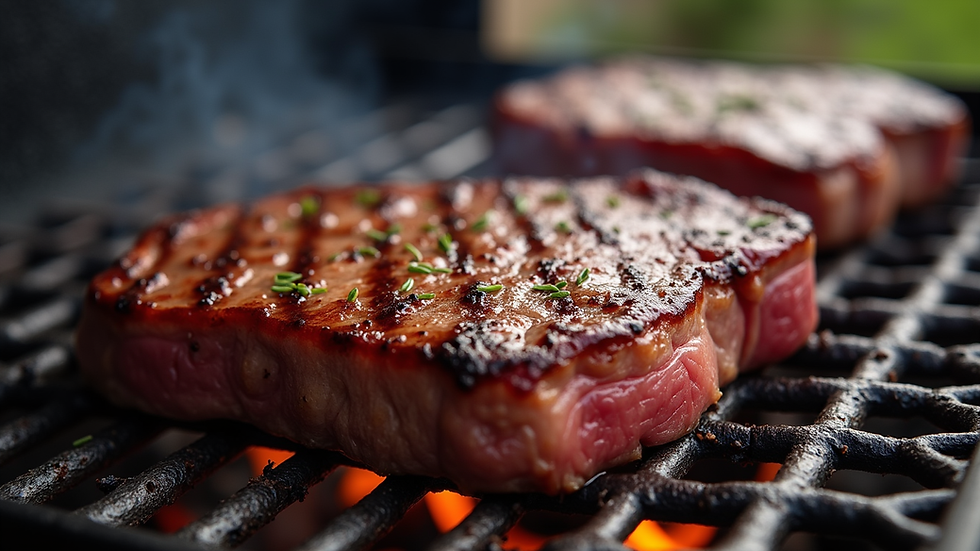
Top Grilling Beef Cuts You Should Try
Ribeye
Ribeye is a favorite for grilling because of its rich marbling and bold flavor. It comes from the rib section and has a good balance of fat and meat. This fat melts during grilling, keeping the steak juicy and tender.
Cooking tip: Grill ribeye over medium-high heat for 4-5 minutes per side for medium-rare.
Flavor note: The fat gives it a buttery taste that pairs well with simple seasonings like salt, pepper, and garlic.
Striploin (New York Strip)
Striploin is leaner than ribeye but still tender and flavorful. It’s a great choice if you want a steak with a firmer texture but still juicy.
Cooking tip: Cook over high heat for 3-4 minutes per side. Let it rest before slicing.
Flavor note: It has a beefy flavor that stands up well to bold marinades or dry rubs.
Tenderloin (Filet Mignon)
Tenderloin is the most tender cut you can grill. It’s very lean with a mild flavor, so it’s perfect if you prefer a delicate steak.
Cooking tip: Because it’s lean, avoid overcooking. Grill for 3-4 minutes per side for medium-rare.
Flavor note: Pair with a rich sauce or compound butter to add flavor.
T-Bone and Porterhouse
These cuts combine two steaks in one - the striploin and tenderloin separated by a T-shaped bone. Porterhouse has a larger tenderloin section than T-bone.
Cooking tip: Grill over medium-high heat, turning carefully to cook both sides evenly.
Flavor note: You get the best of both worlds - tender filet and flavorful striploin.
Flank Steak
Flank steak is a lean, long cut from the abdominal muscles. It’s flavorful but can be tough if not cooked or sliced properly.
Cooking tip: Marinate before grilling and cook quickly over high heat. Slice thinly against the grain.
Flavor note: Great for fajitas, salads, or sandwiches.
Skirt Steak
Skirt steak is similar to flank but even more flavorful. It has a loose grain and is perfect for marinating.
Cooking tip: Grill fast over high heat and slice thinly against the grain.
Flavor note: Intense beef flavor, ideal for tacos or stir-fries.
Sirloin
Sirloin is a versatile cut that’s leaner than ribeye but still tender enough for grilling. It’s often more affordable and widely available.
Cooking tip: Grill over medium heat and avoid overcooking to keep it juicy.
Flavor note: Mild beef flavor that works well with a variety of seasonings.

Which Cut of Beef Is Best for Grilling?
Choosing the best cut depends on your taste preferences and how you plan to cook. If you want a steak that’s tender and rich, ribeye or tenderloin are excellent choices. For a leaner option with good flavor, striploin or sirloin work well.
If you enjoy bold, beefy flavors and don’t mind a bit of chew, flank or skirt steak are fantastic. They also benefit from marinades that add moisture and tenderness.
For families looking for local, ethically sourced meats, it’s worth asking your butcher about the origin of the beef and how the animals were raised. Cuts from grass-fed or pasture-raised cattle often have a different flavor profile and can be healthier.
Remember, the key to great grilling is not just the cut but also how you prepare and cook it. Use a meat thermometer to check doneness, and always let your steak rest for a few minutes after grilling to lock in juices.
Tips for Grilling Beef Cuts Perfectly
Grilling beef is simple when you follow a few basic rules:
Bring meat to room temperature before grilling. This helps it cook evenly.
Season generously with salt and pepper or your favorite rub.
Preheat your grill to high heat for searing.
Use direct heat for tender cuts and indirect heat for thicker or tougher cuts.
Don’t press down on the meat while grilling - it squeezes out juices.
Use a meat thermometer to avoid overcooking. Aim for:
Rare: 120-130°F
Medium-rare: 130-135°F
Medium: 135-145°F
Well done: 155°F and above
Let the meat rest for 5-10 minutes before slicing.
By following these tips, you’ll get juicy, flavorful steaks every time.
Supporting Local and Ethical Meat Choices
When you choose your grilling beef cuts, consider where your meat comes from. Supporting local farms in Manitoba means fresher meat and a smaller environmental footprint. Ethically raised cattle are treated with care, often grass-fed or pasture-raised, which can improve the quality and taste of the beef.
Look for suppliers who prioritize sustainable farming practices. This not only benefits the environment but also ensures you’re feeding your family wholesome, nutritious meat.
For families in Winnipeg and Brandon, finding a trusted local butcher or meat supplier can make all the difference. They can guide you to the best cuts for grilling and help you understand the story behind your meat.
Your Next Grill Session Starts Here
Now that you know the best grilling beef cuts and how to cook them, it’s time to fire up the grill. Whether you’re preparing a quick weeknight dinner or a weekend barbecue, choosing the right cut will elevate your meal.
For the best experience, try to source your meat locally and ethically. It’s a choice that supports your health, your community, and the planet.
If you want to explore more about the best cuts of beef for grilling, check out local suppliers who can provide you with premium, responsibly raised options.
Happy grilling!


Comments